
What Are Flags Made Of? A Complete Guide to Flag Materials
Flags can be made from several textiles, but the fibre name is only part of the specification. Polyester, for example, can be knitted, woven or given a glossy satin appearance. Two fabrics carrying the same fibre label may differ in weight, openness, drape and print result. A useful flag materials enquiry therefore describes how the display will operate as well as how it should look.
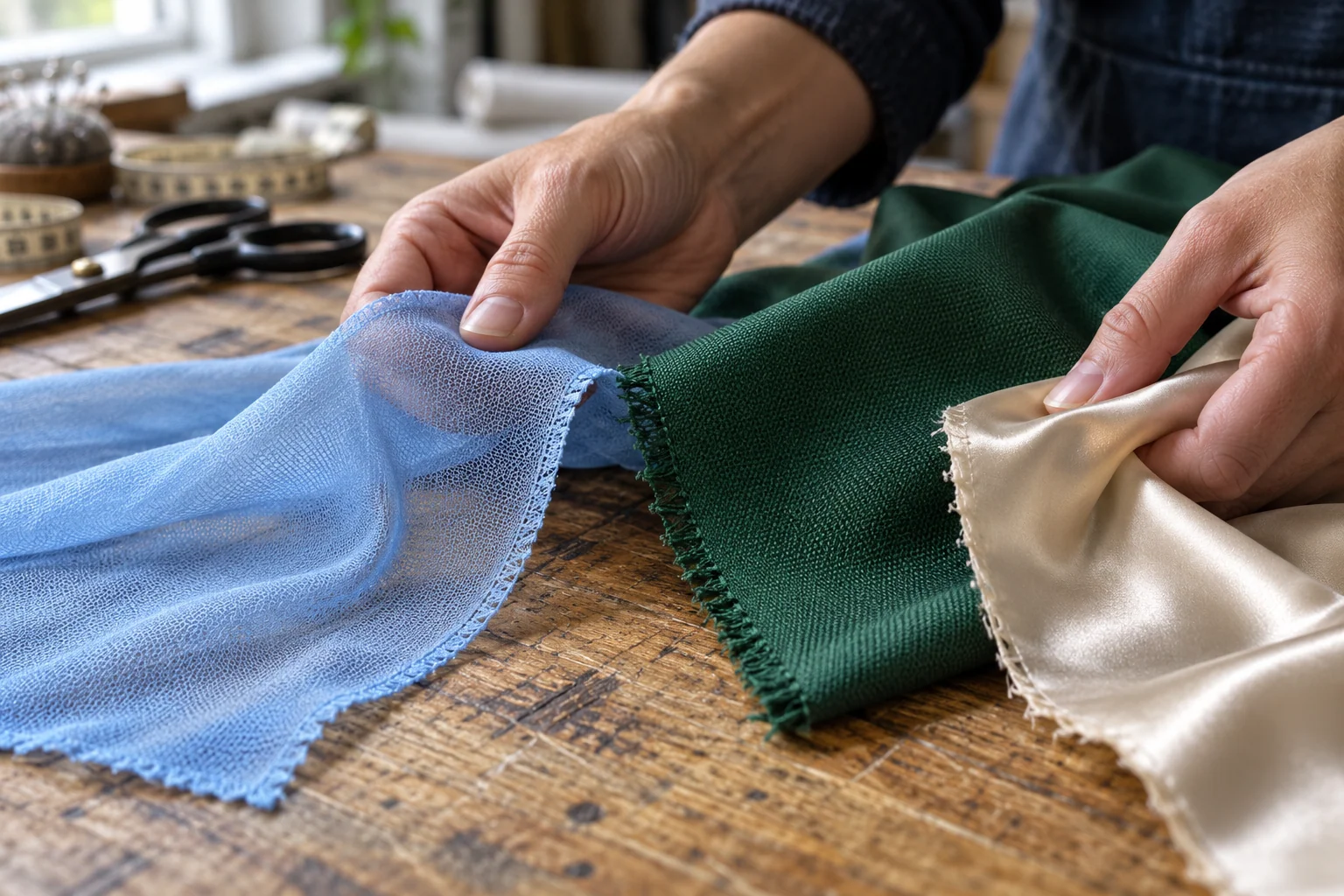
Separate fibre from construction
Polyester and nylon are fibre names. Knit and weave describe how yarns form the cloth; satin describes a weave structure associated with a smooth face. These words answer different questions. Ask for the complete material description instead of assuming a satin-looking flag is silk or that every polyester option behaves alike. An actual swatch helps distinguish surface sheen, stretch, transparency and hand feel.
Think about movement and visibility
Lightweight cloth may move readily in a gentle breeze, while a more substantial construction can give a different fall indoors. An open mesh changes how much background is visible through the design. These choices also influence the appearance of small lettering and pale colours. Compare samples in the display conditions, including backlighting, rather than under a single bright showroom lamp.
Match printing to the actual textile
Dye sublimation is associated with suitable polyester textiles, but the specific fabric, ink and processing conditions still need approval. A material suggested for one printing system should not automatically be used in another. Request a printed sample when brand colour or fine detail matters. The order should identify the agreed fabric, not merely a generic request for good-quality cloth.
Include the parts that carry the load
A flag also contains thread, edge finishes and attachments. Reinforcement at the hoist, a pole sleeve or an eyelet arrangement can be as important as the main cloth. Send photographs and measurements of the existing display system. If hardware is being reused, confirm that the proposed flag fits before production; do not choose attachments by appearance alone.
Ask questions that make quotes comparable
State the finished size, number of pieces, display period, environment and required reverse view. Ask suppliers to list fibre composition, construction, GSM where available, finishing and any evidenced performance claims separately. A quoted UV or fire classification should relate to the exact supplied material and relevant test documentation. Orient Uniforms FZE can discuss suitable options against your brief; availability and specification require written confirmation.
Questions & answers
Is thicker fabric always better?
No. Weight must suit the flag dimensions, desired movement and supporting hardware. More weight can introduce different handling and support requirements.
Can I choose from a photograph alone?
A photograph helps with appearance, but request a specification and sample to assess drape, openness and print quality.