
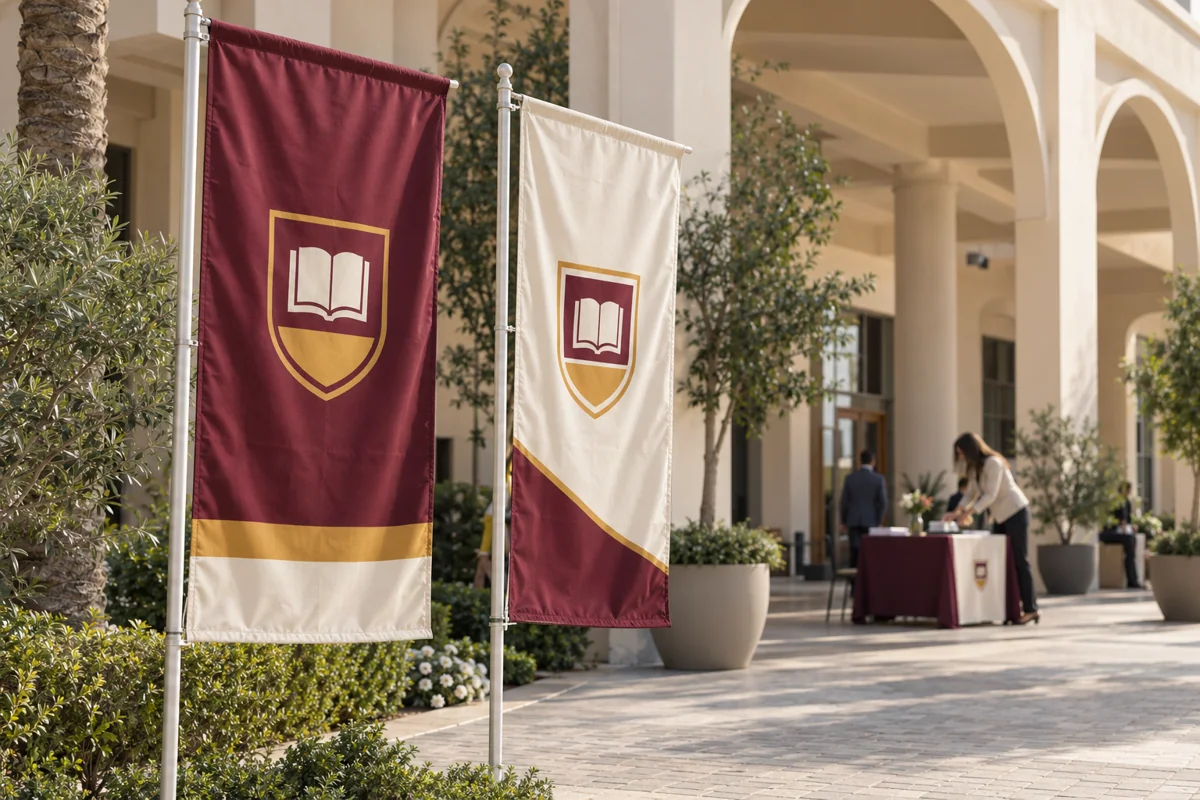
 Institutional flags
SKU-EMRF-0097
School Flags
School Flags Supplier in UAE. Custom branded flags for campus entrances, house competitions and meetings. Request.
Made to your specificationView productCustom logo flags for schools, banks, hospitals, logistics teams and organisations across 44 sectors. Find your sector, choose a format and share its SKU for a quotation.
Institutional flagsSchool Flags Supplier in UAE. Custom branded flags for campus entrances, house competitions and meetings. Request.
Made to your specificationView product Institutional flags
Nursery Flags Supplier in UAE. Custom branded flags for family arrival, activity days and meetings. Request a.
Made to your specificationView product Institutional flags
University & College Flags Supplier in UAE. Custom branded flags for campus identity, graduation settings and.
Made to your specificationView product Institutional flags
Training Institute Flags Supplier in UAE. Custom branded flags for course recruitment, workshop events and.
Made to your specificationView product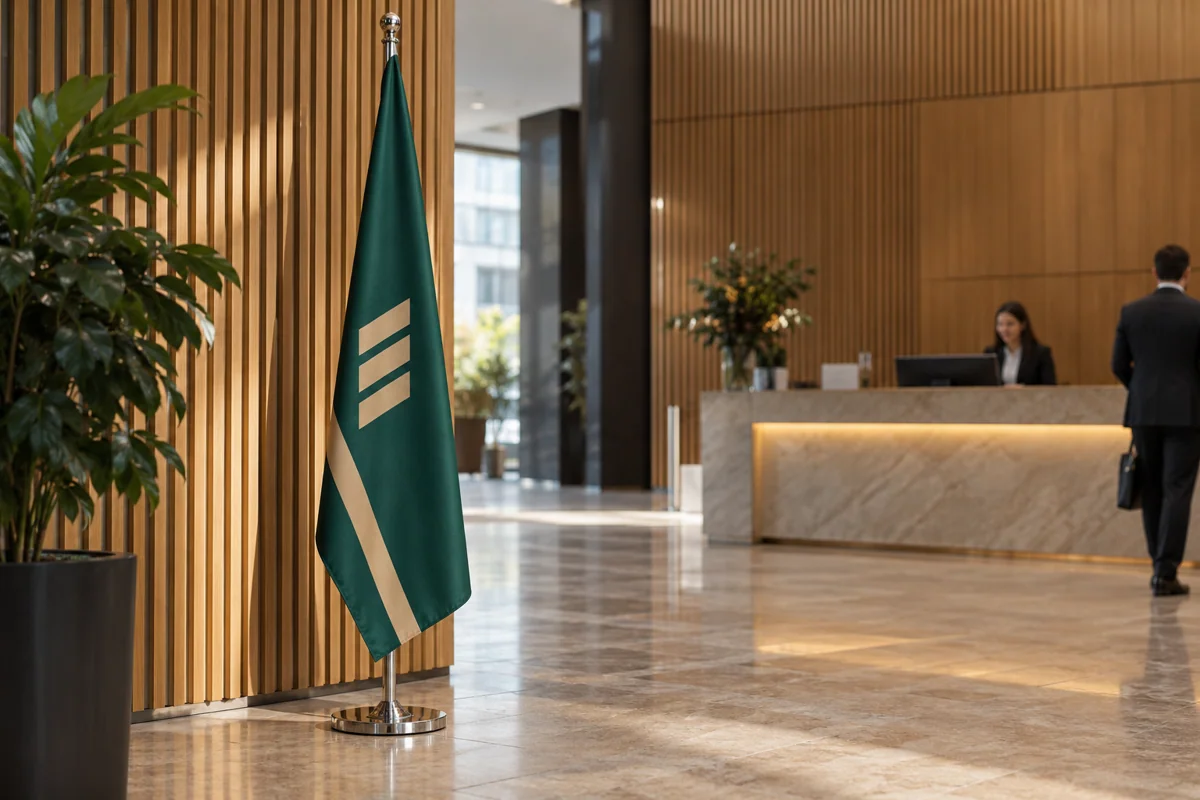 Institutional flags
Bank Flags Supplier in UAE. Custom branded flags for branch entrances, meeting rooms and meetings. Request a.
Made to your specificationView product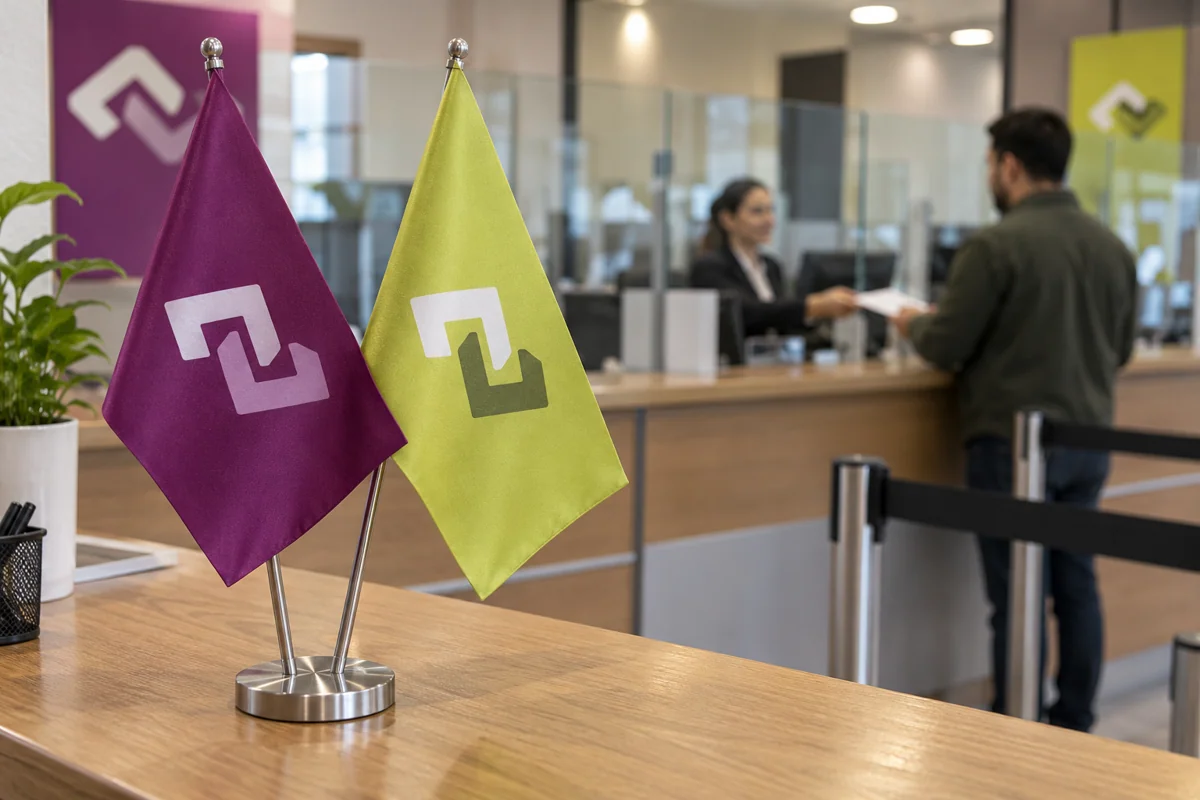 Institutional flags
Exchange & Remittance Flags Supplier in UAE. Custom branded flags for branch reception, community events and.
Made to your specificationView product Institutional flags
Insurance Company Flags Supplier in UAE. Custom branded flags for customer centres, broker events and meetings..
Made to your specificationView product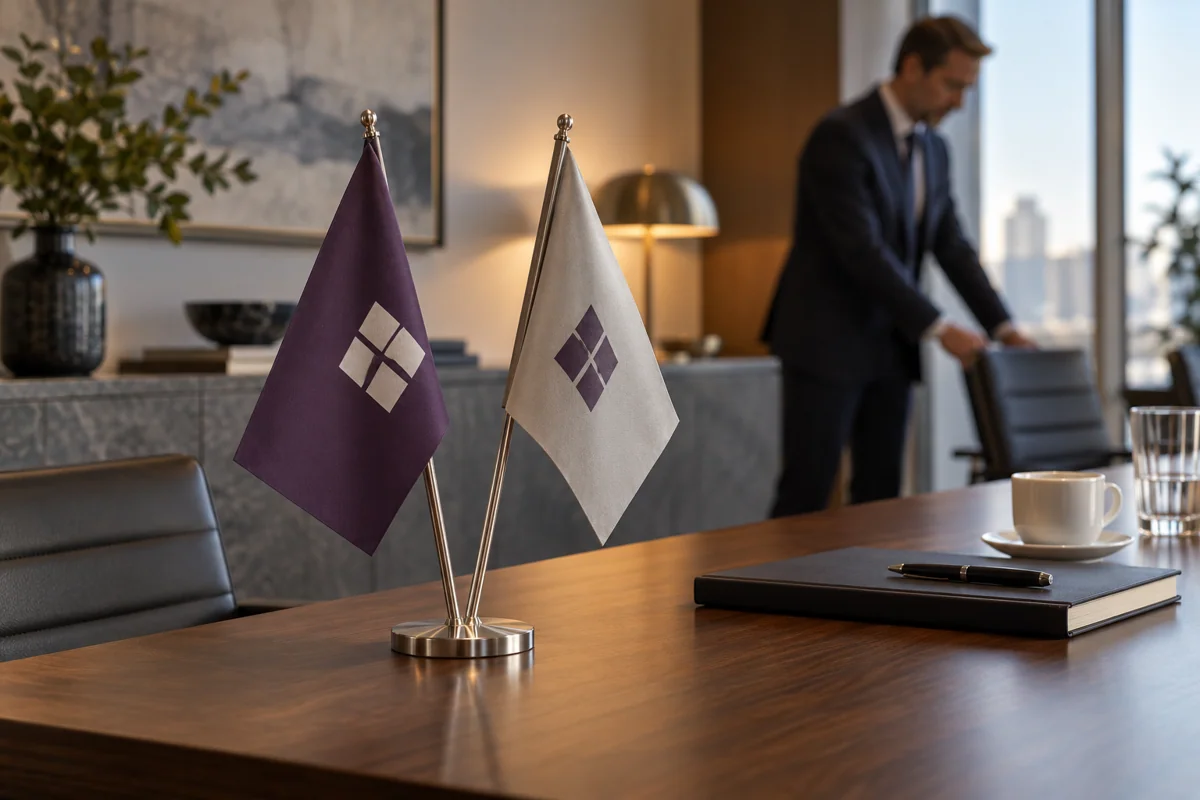 Institutional flags
Finance & Investment Flags Supplier in UAE. Custom branded flags for head-office identity, investor briefings and.
Made to your specificationView product Institutional flags
Hospital & Healthcare Flags Supplier in UAE. Custom branded flags for hospital entrances, outreach events and.
Made to your specificationView product Institutional flags
Medical Centre & Clinic Flags Supplier in UAE. Custom branded flags for clinic entrances, health events and.
Made to your specificationView product Institutional flags
Specialist Clinic Flags Supplier in UAE. Custom branded flags for practice reception, opening events and.
Made to your specificationView product Institutional flags
Laboratory & Imaging Centre Flags Supplier in UAE. Custom branded flags for administrative reception, industry.
Made to your specificationView product Institutional flags
Pharmacy Flags Supplier in UAE. Custom branded flags for branch launches, chain identity and meetings. Request a.
Made to your specificationView product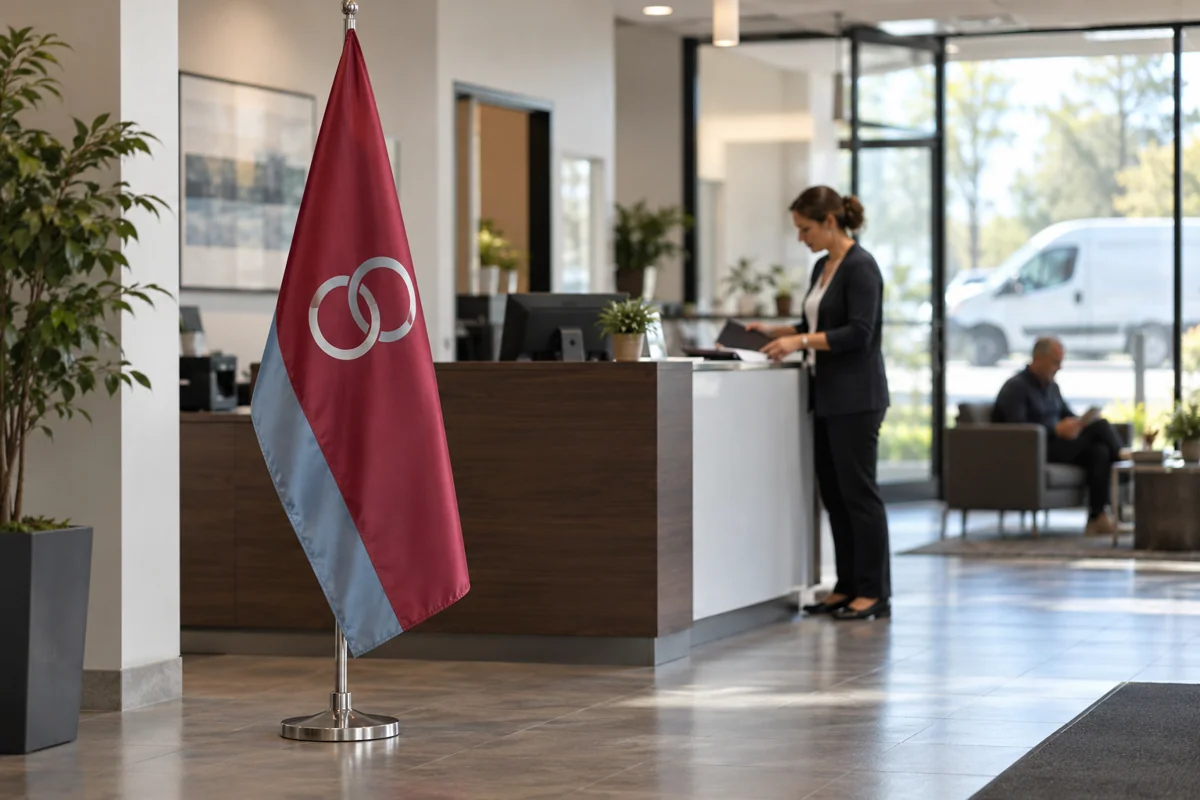 Institutional flags
Ambulance & Medical Transport Flags Supplier in UAE. Custom branded flags for operations offices, fleet.
Made to your specificationView product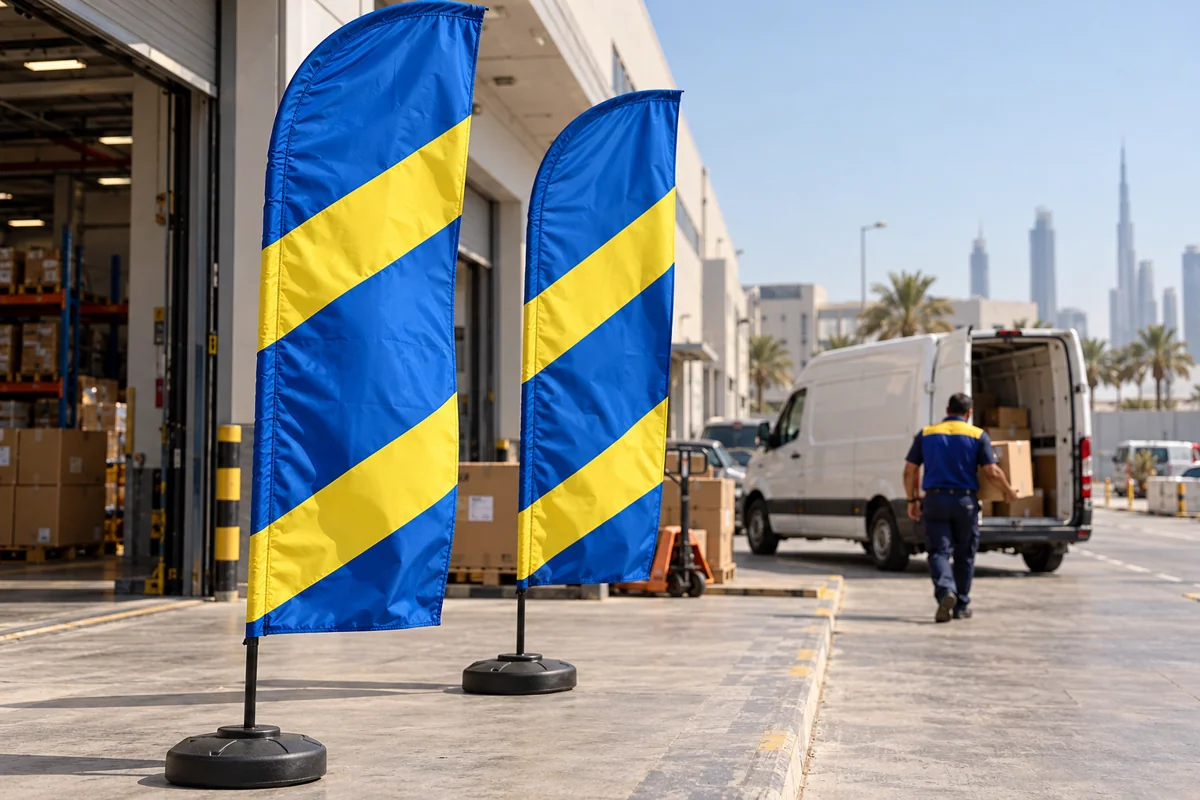 Institutional flags
Courier & Express Delivery Flags Supplier in UAE. Custom branded flags for service counters, depot events and.
Made to your specificationView product Institutional flags
Shipping Company Flags Supplier in UAE. Custom branded flags for agency offices, maritime exhibitions and.
Made to your specificationView product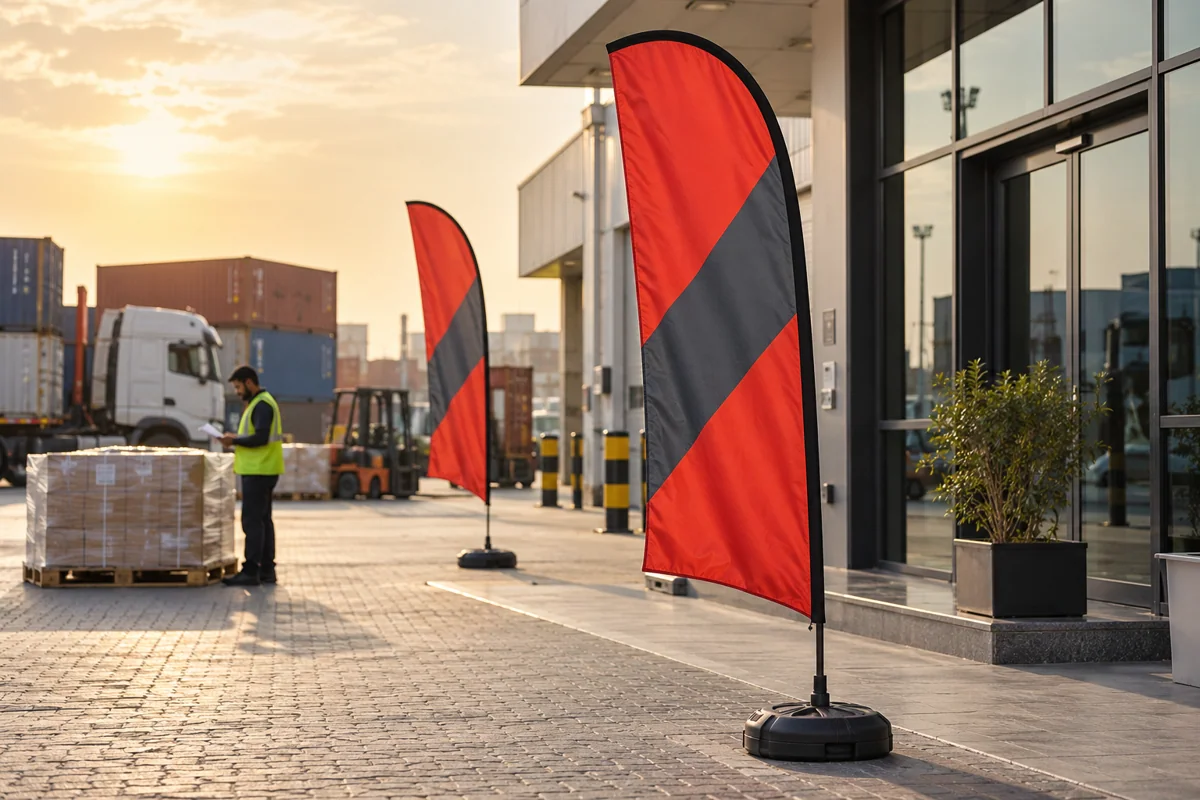 Institutional flags
Freight Forwarding Flags Supplier in UAE. Custom branded flags for network meetings, trade exhibitions and.
Made to your specificationView product Institutional flags
Logistics & Supply Chain Flags Supplier in UAE. Custom branded flags for head offices, customer events and.
Made to your specificationView product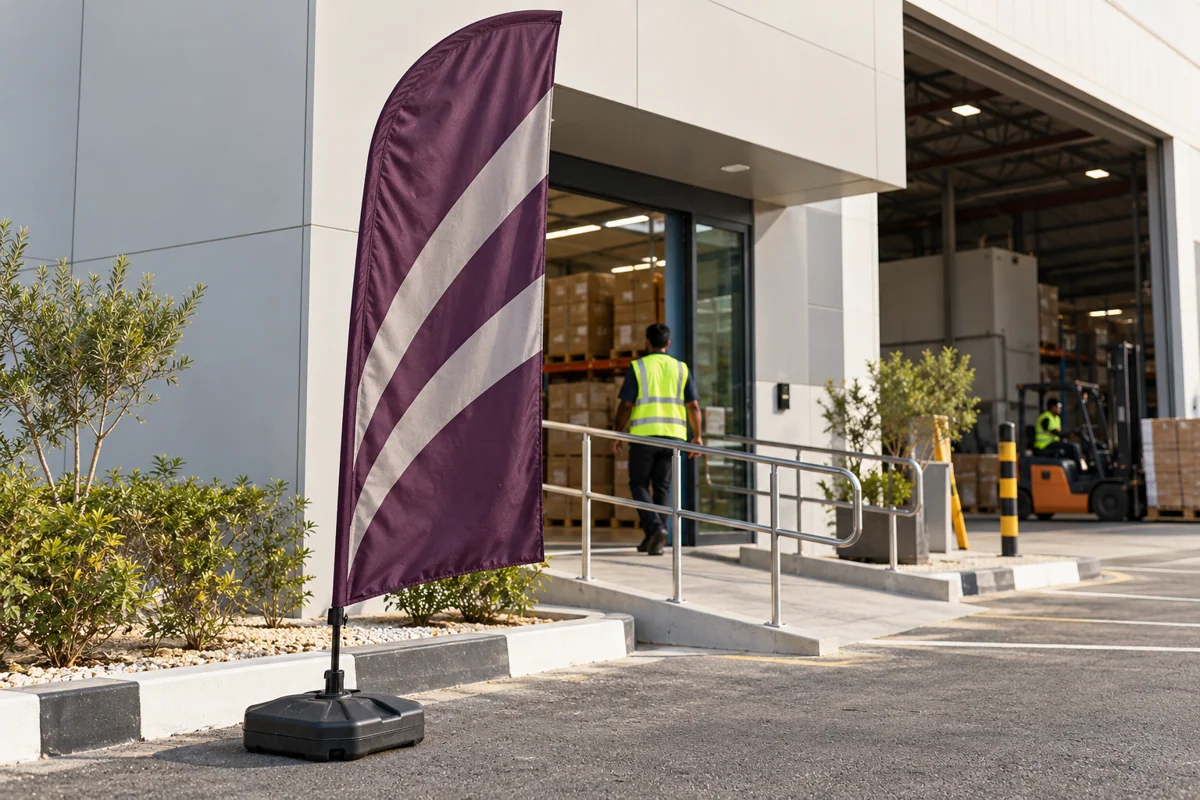 Institutional flags
Warehouse & Distribution Flags Supplier in UAE. Custom branded flags for administrative entrances, recruitment.
Made to your specificationView product Institutional flags
Transport & Fleet Flags Supplier in UAE. Custom branded flags for fleet launches, driver events and meetings..
Made to your specificationView product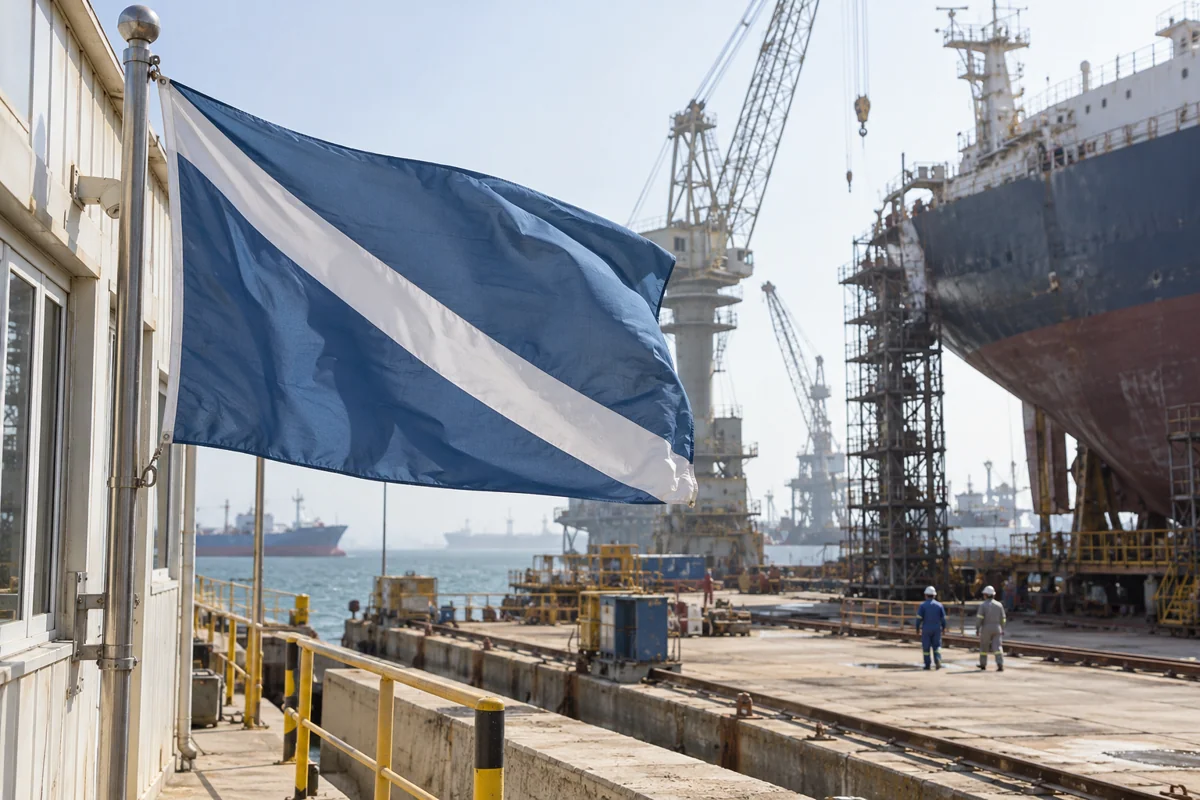 Institutional flags
Port, Terminal & Shipyard Flags Supplier in UAE. Custom branded flags for administrative buildings, industry.
Made to your specificationView product Institutional flags
Airline, Airport & Aviation Flags Supplier in UAE. Custom branded flags for corporate reception, industry.
Made to your specificationView product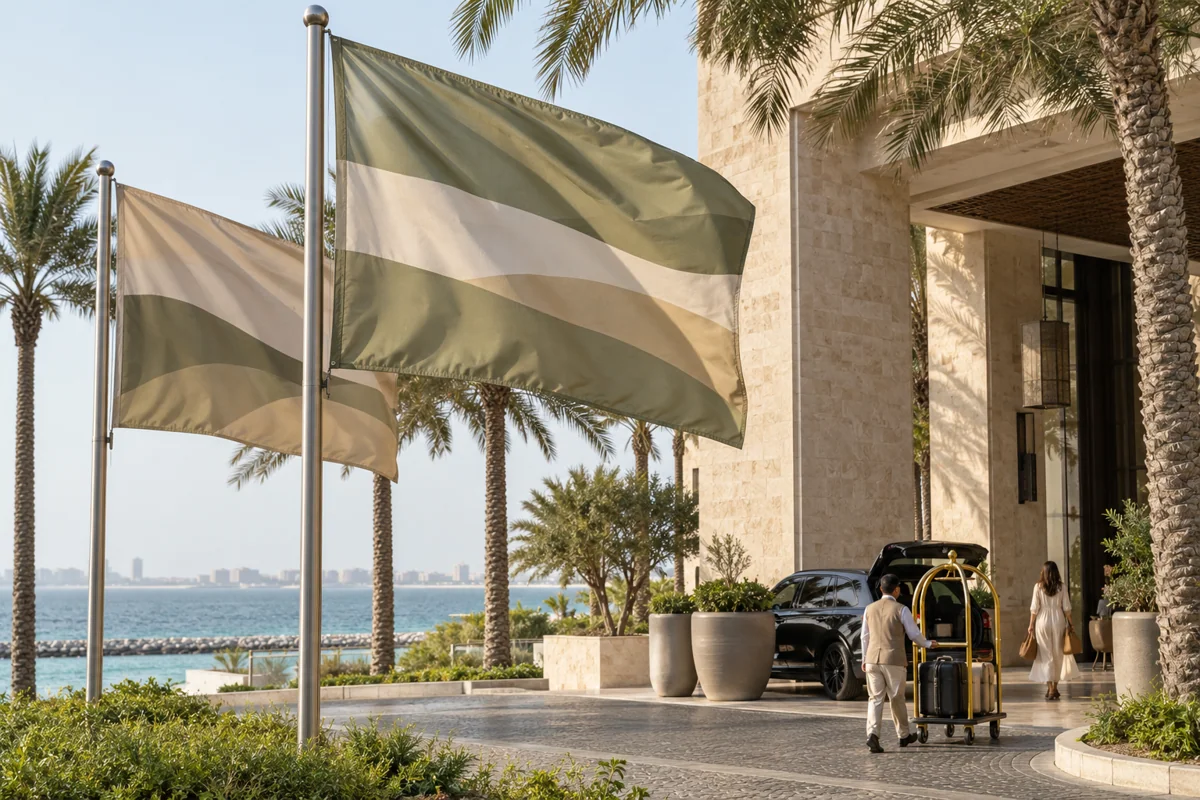 Institutional flags
Hotel & Resort Flags Supplier in UAE. Custom branded flags for guest arrivals, conferences and banquets and.
Made to your specificationView product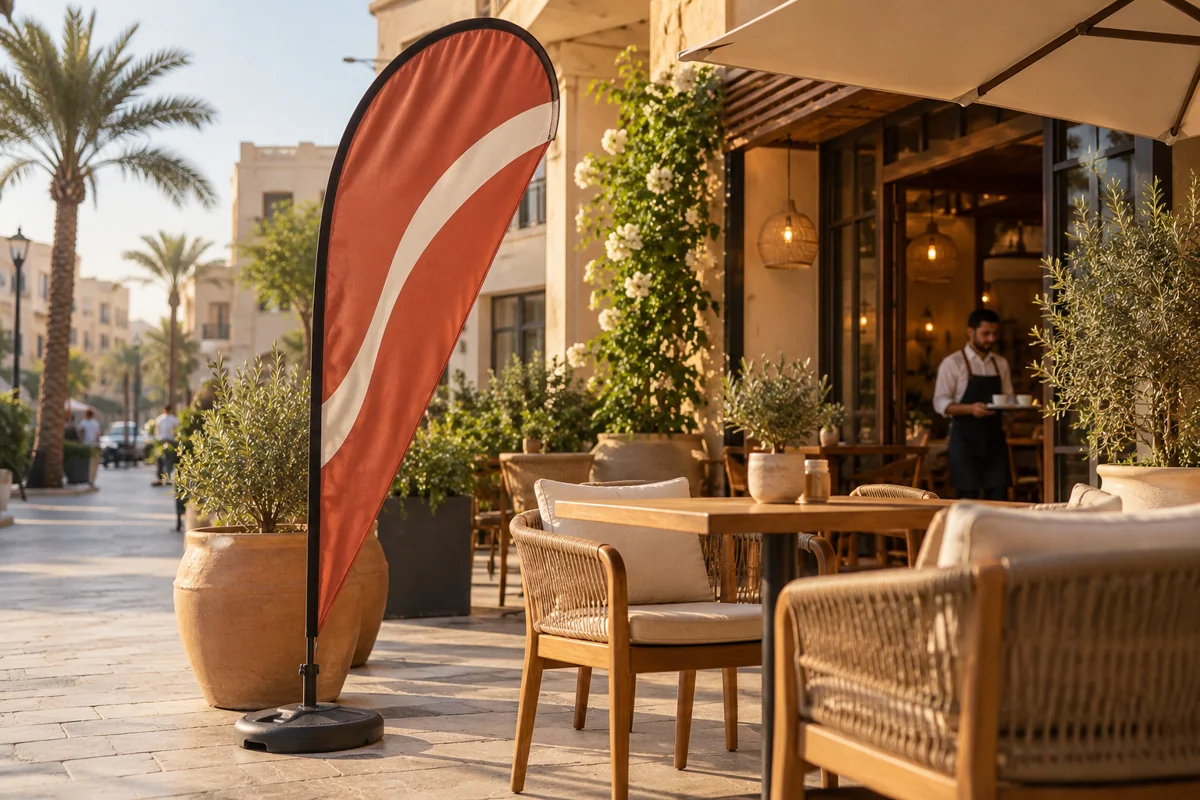 Institutional flags
Restaurant, Café & Catering Flags Supplier in UAE. Custom branded flags for venue entrances, pop-up service and.
Made to your specificationView product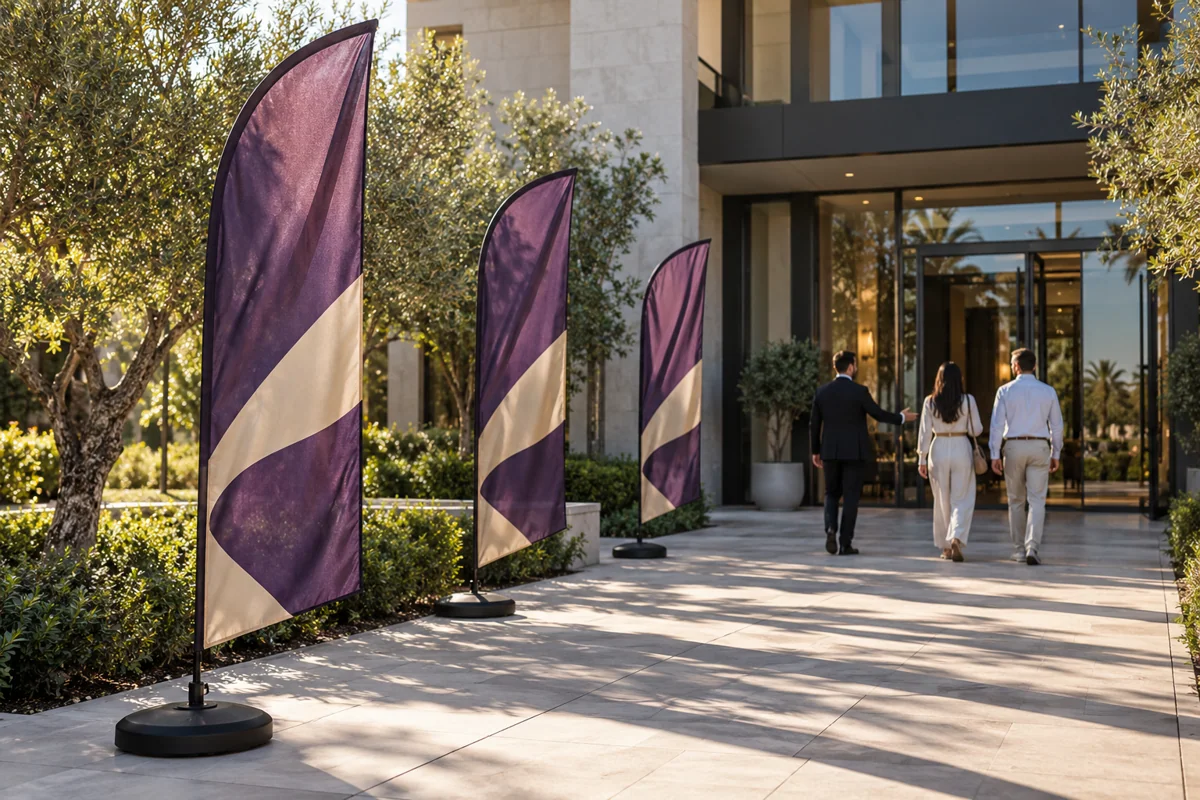 Institutional flags
Real Estate & Property Agency Flags Supplier in UAE. Custom branded flags for sales centres, property launches.
Made to your specificationView product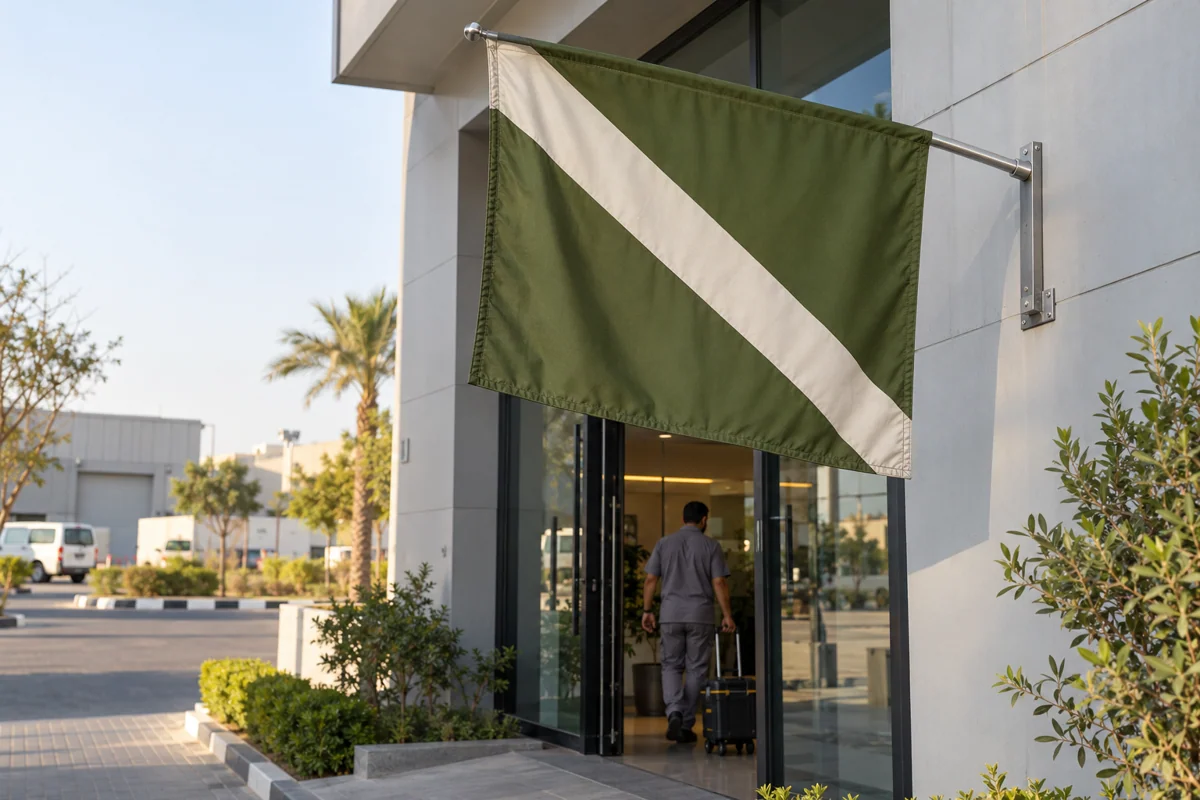 Institutional flags
Property & Facilities Management Flags Supplier in UAE. Custom branded flags for portfolio offices, community.
Made to your specificationView product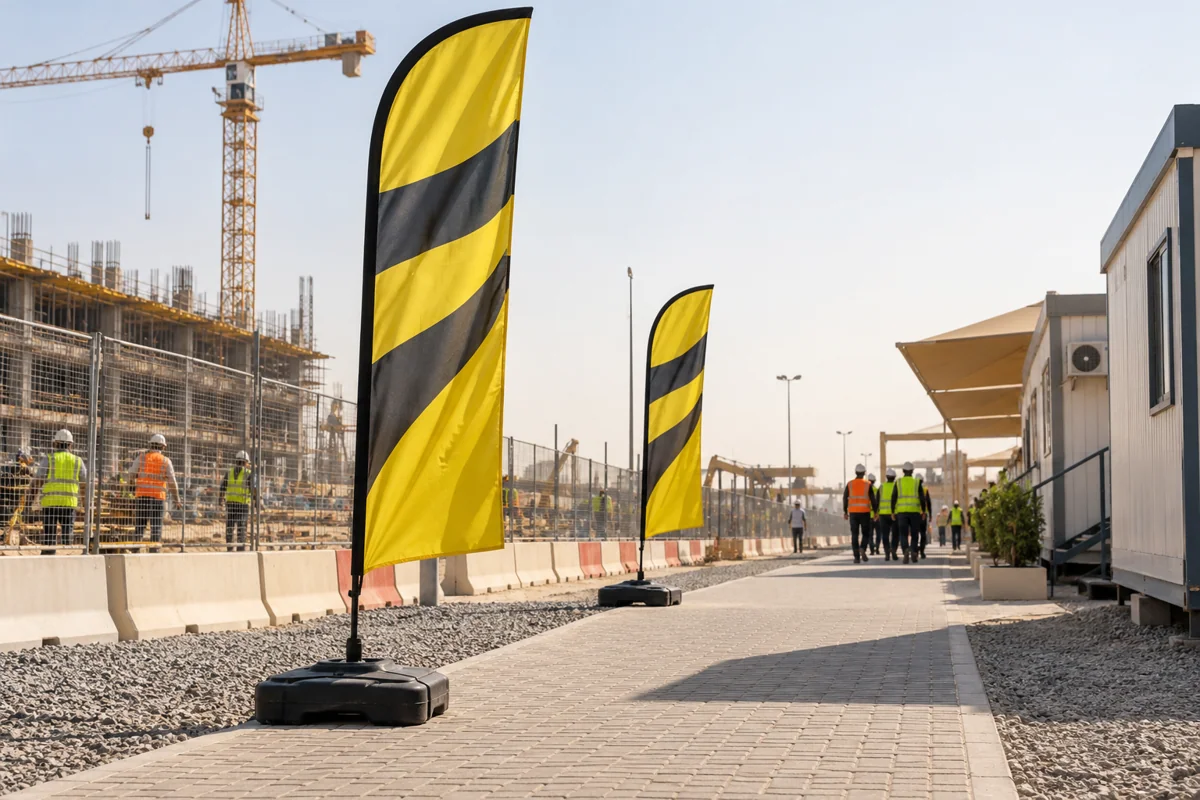 Institutional flags
Construction & Engineering Flags Supplier in UAE. Custom branded flags for site offices, project events and.
Made to your specificationView product Institutional flags
Factory & Industrial Company Flags Supplier in UAE. Custom branded flags for administrative entrances, trade.
Made to your specificationView product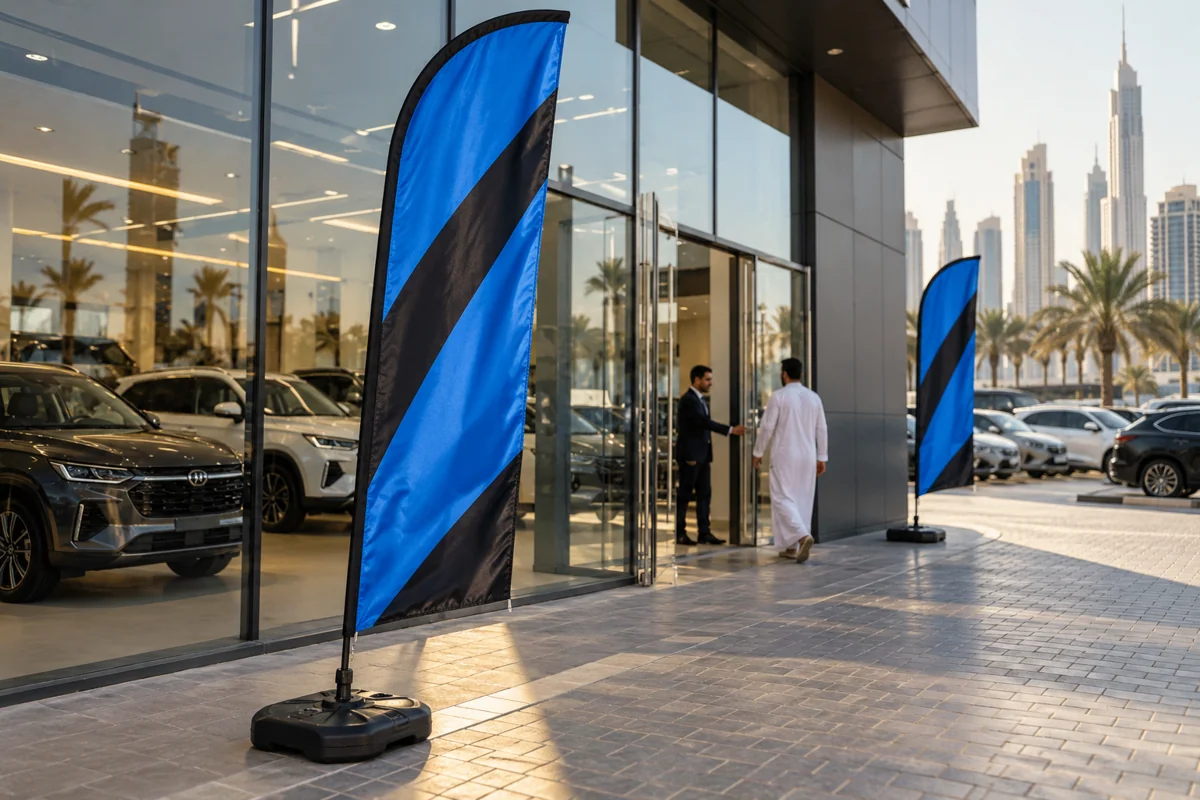 Institutional flags
Automotive Dealership Flags Supplier in UAE. Custom branded flags for forecourt displays, vehicle launches and.
Made to your specificationView product Institutional flags
Car Rental & Leasing Flags Supplier in UAE. Custom branded flags for collection offices, fleet events and.
Made to your specificationView product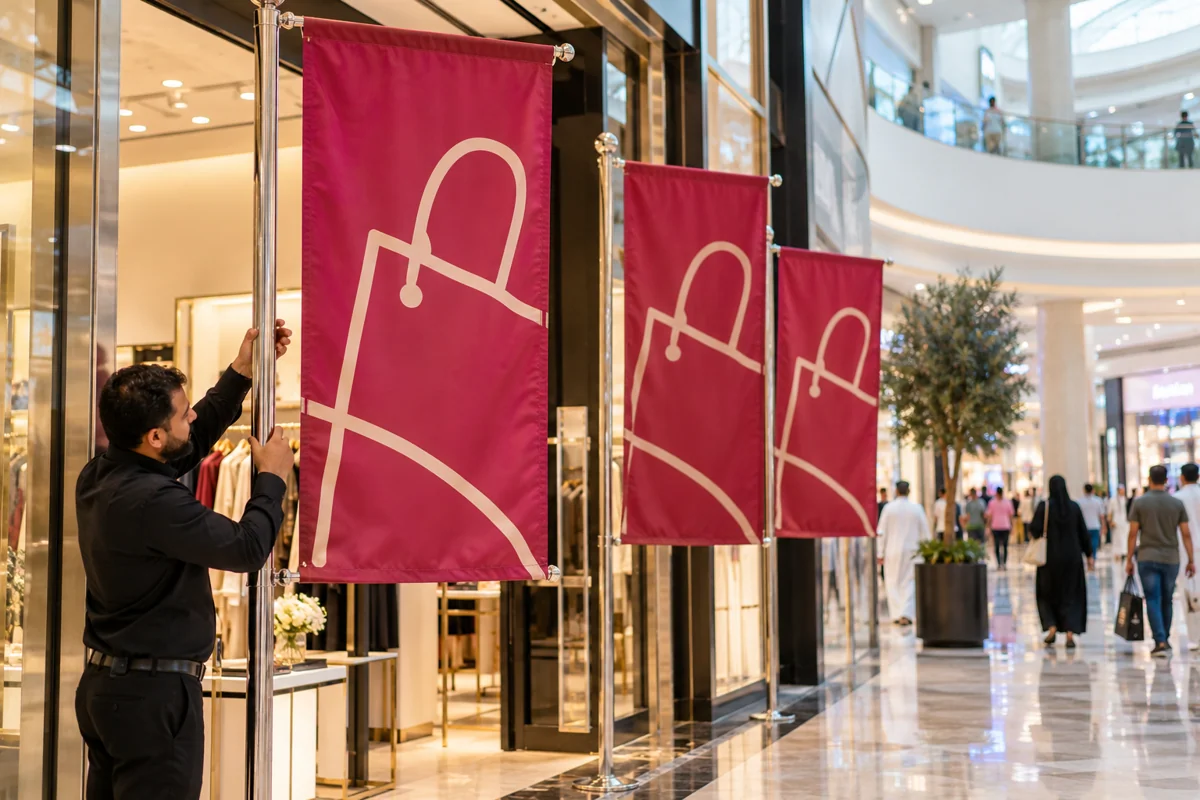 Institutional flags
Retail, Mall & Supermarket Flags Supplier in UAE. Custom branded flags for store openings, mall events and.
Made to your specificationView product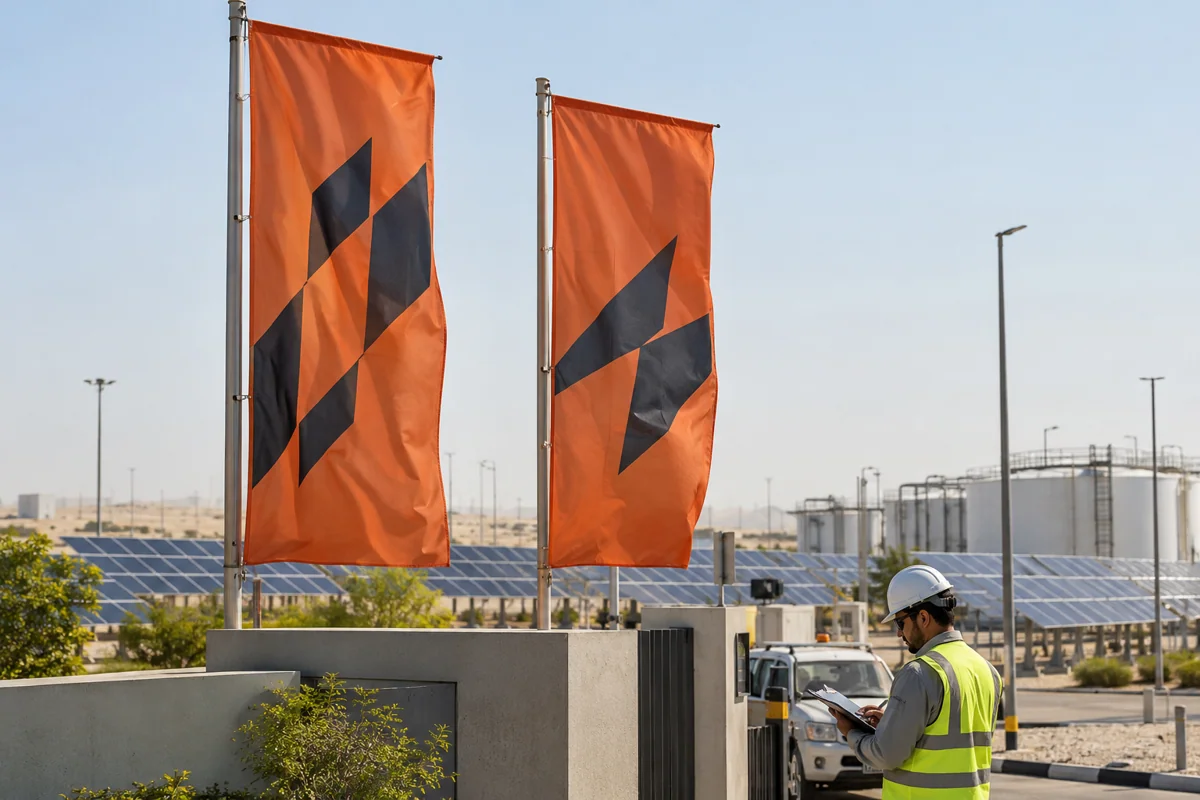 Institutional flags
Energy, Petrol Station & Utility Flags Supplier in UAE. Custom branded flags for corporate offices, industry.
Made to your specificationView product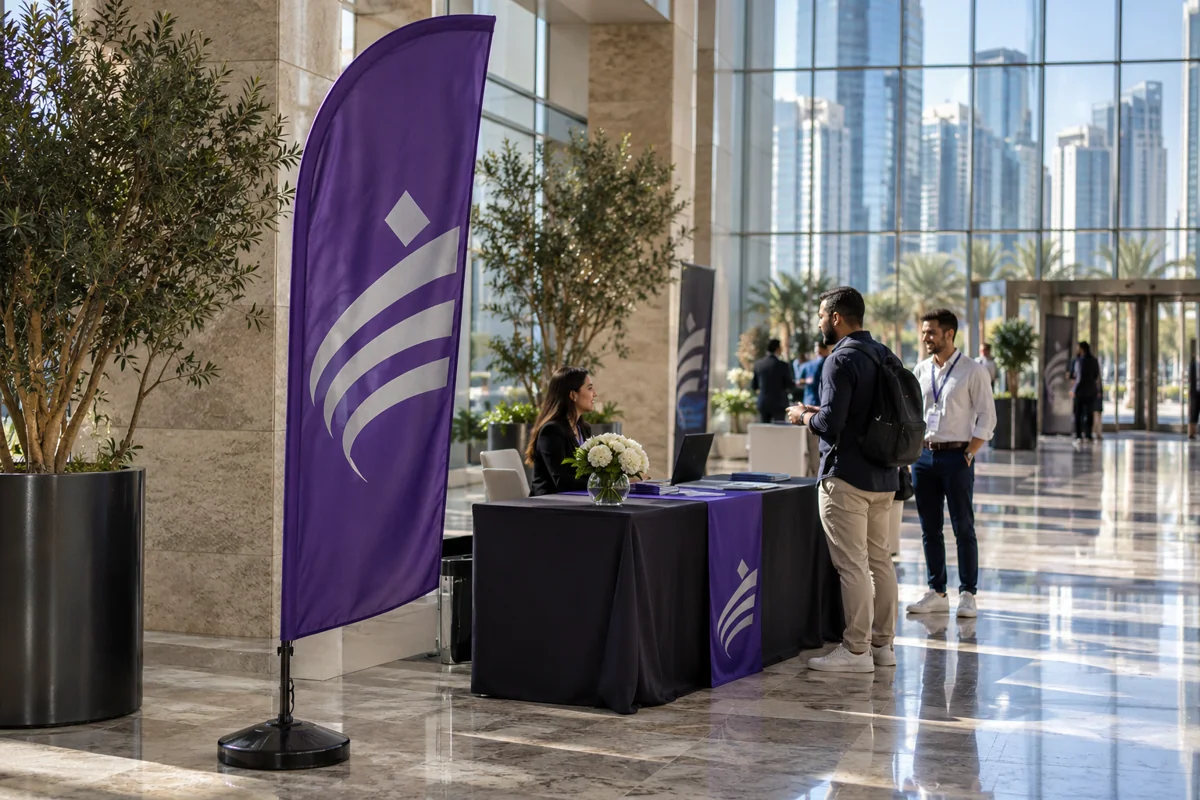 Institutional flags
Telecom & Technology Flags Supplier in UAE. Custom branded flags for technology exhibitions, launch presentations.
Made to your specificationView product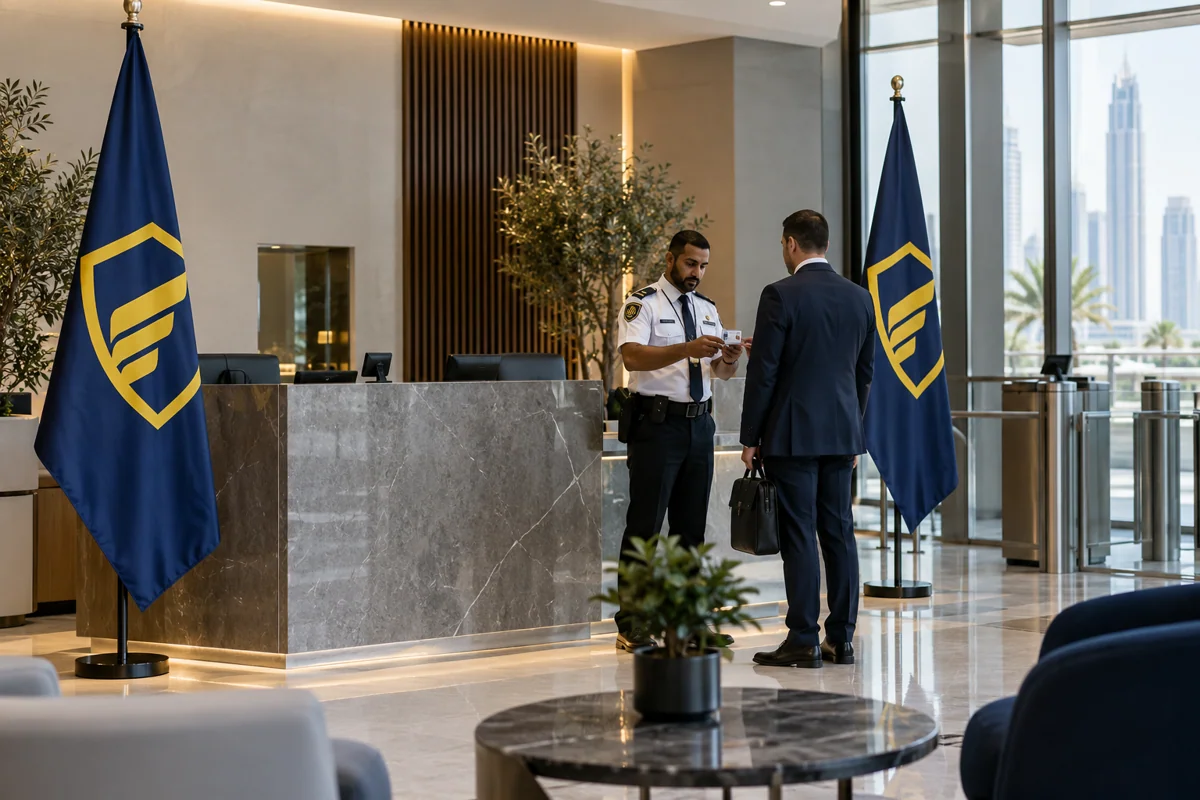 Institutional flags
Security Company Flags Supplier in UAE. Custom branded flags for office identity, recruitment events and.
Made to your specificationView product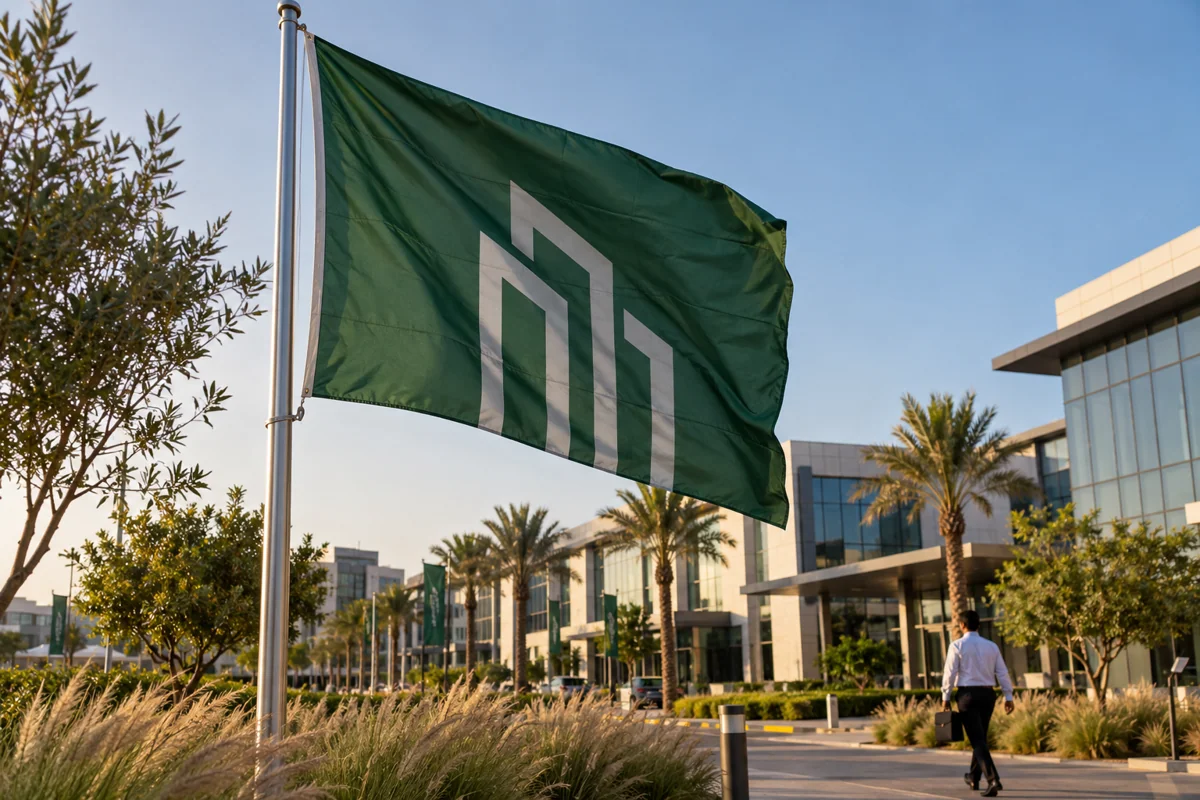 Institutional flags
Free Zone & Business Park Flags Supplier in UAE. Custom branded flags for visitor entrances, leasing events and.
Made to your specificationView product Institutional flags
Association & Business Council Flags Supplier in UAE. Custom branded flags for committee meetings, member events.
Made to your specificationView product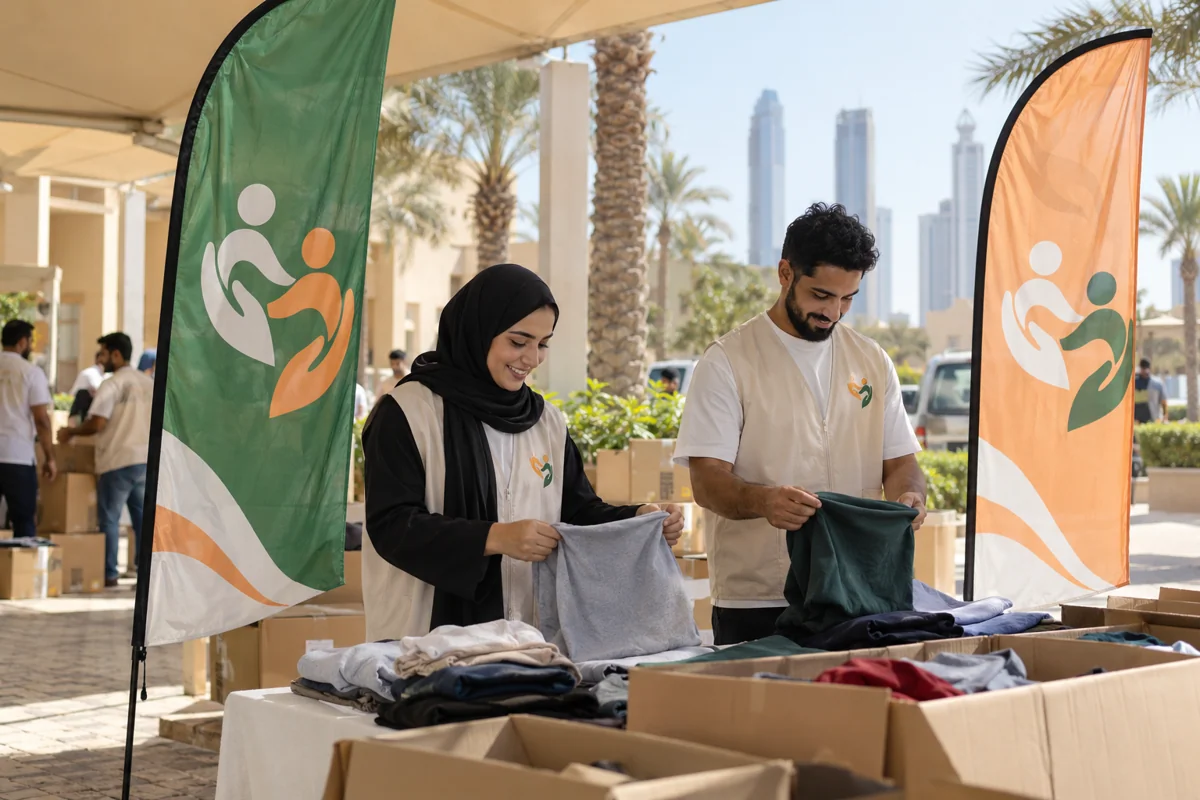 Institutional flags
Charity, Foundation & Nonprofit Flags Supplier in UAE. Custom branded flags for volunteer events, organisation.
Made to your specificationView product Institutional flags
Sports Club, Academy & Fitness Flags Supplier in UAE. Custom branded flags for club entrances, competitions and.
Made to your specificationView product Institutional flags
Golf, Yacht & Beach Club Flags Supplier in UAE. Custom branded flags for club reception, hosted events and.
Made to your specificationView product Institutional flags
Event, Exhibition & Conference Flags Supplier in UAE. Custom branded flags for registration areas, sponsor zones.
Made to your specificationView product Institutional flags
Travel, Tour & Safari Company Flags Supplier in UAE. Custom branded flags for booking offices, tourism.
Made to your specificationView product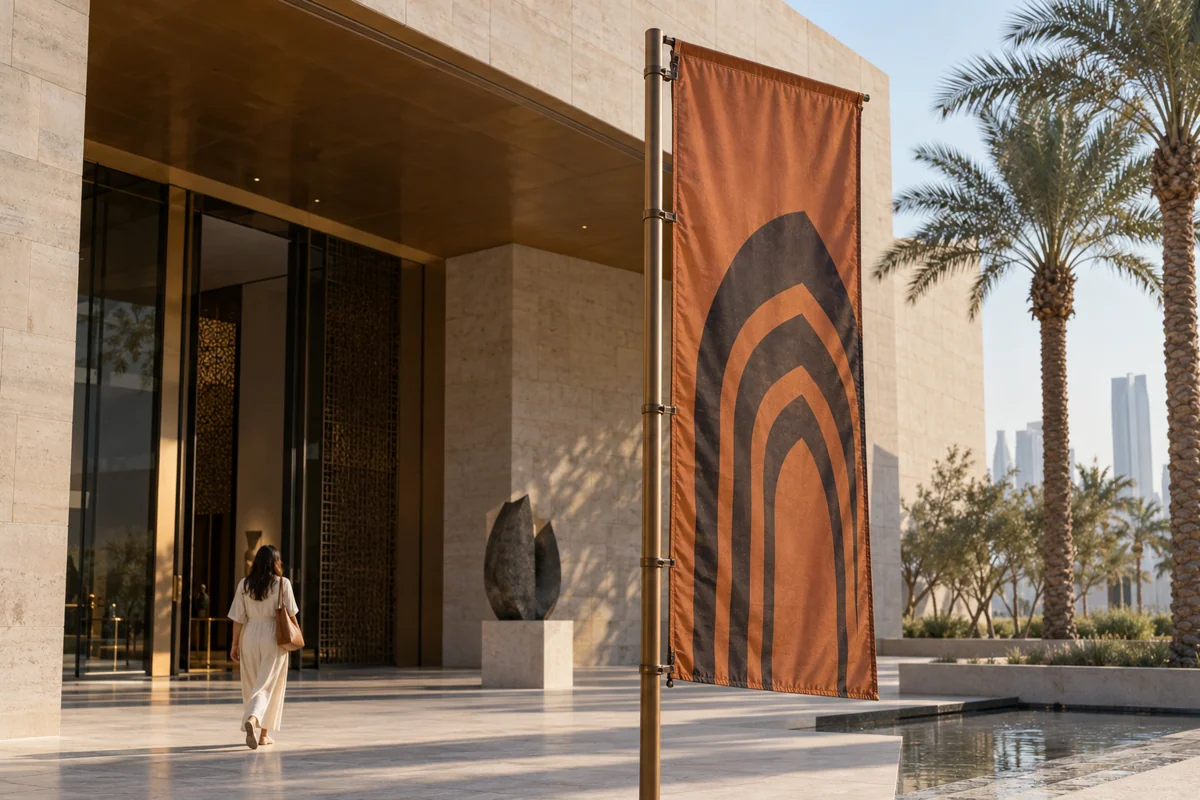 Institutional flags
Museum, Cultural Centre & Library Flags Supplier in UAE. Custom branded flags for institution entrances, learning.
Made to your specificationView product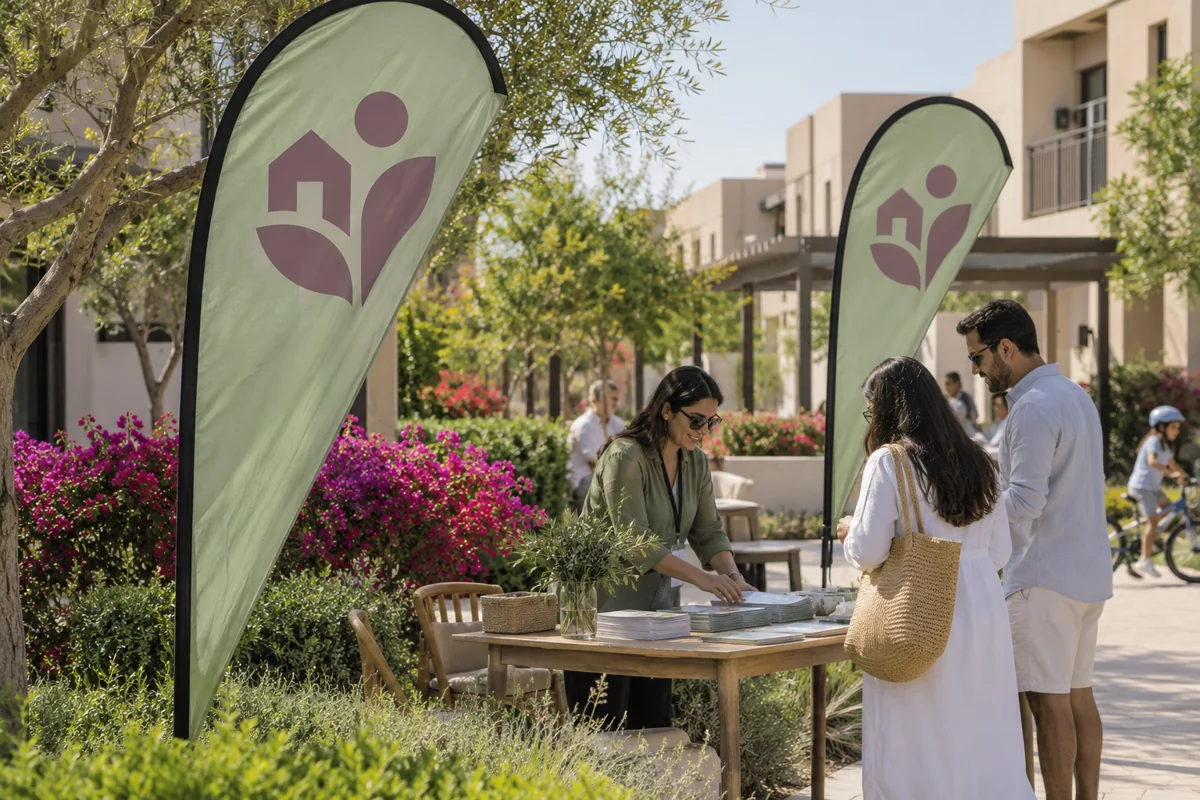 Institutional flags
Residential Community Flags Supplier in UAE. Custom branded flags for management offices, resident events and.
Made to your specificationView product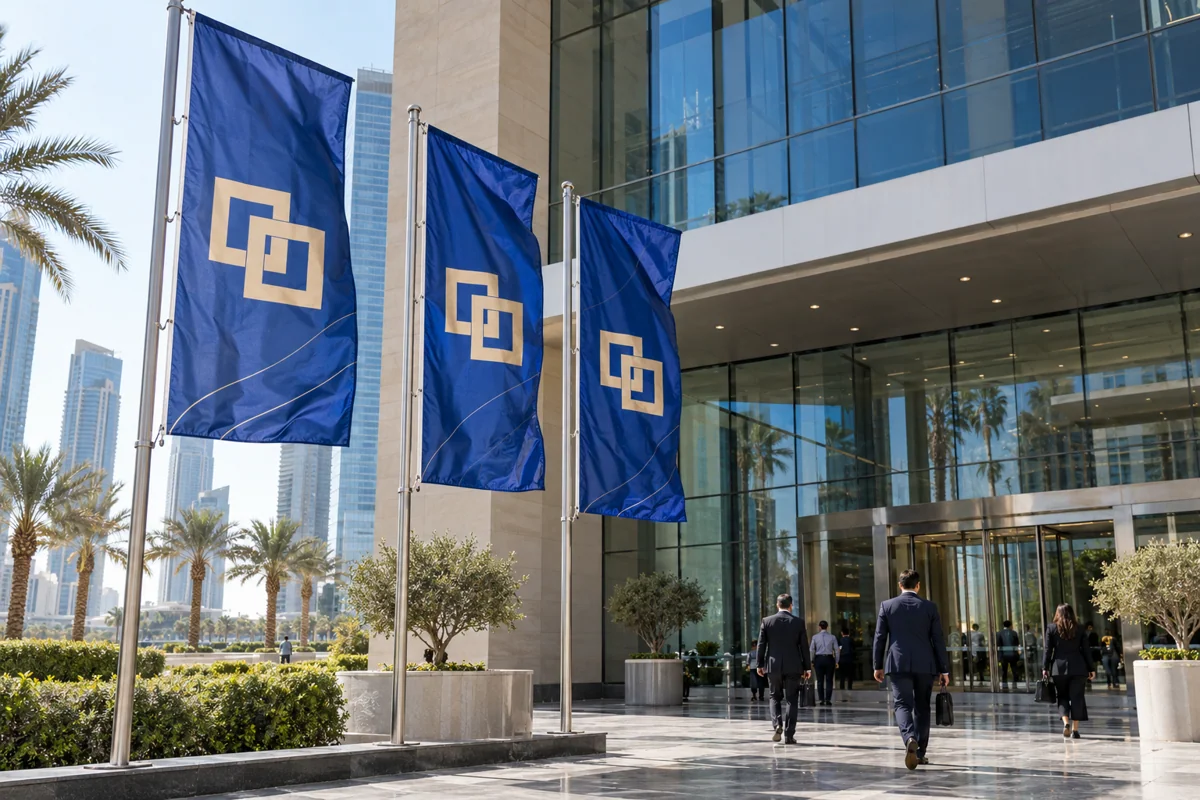 Institutional flags
Corporate Headquarters & Branch Flags Supplier in UAE. Custom branded flags for head-office identity, branch.
Made to your specificationView productSpecify the same brand artwork across desks, entrances, events and branch networks, with quantities listed by location.
Share photographs and dimensions of existing poles and stands before ordering replacement fabric.
Send your approved logo and colour references. The quotation and artwork proof define the final product.
An institutional flag should make an organisation easy to recognise at the place where it is used. A school entrance, hospital reception, bank meeting room and distribution depot need different display arrangements even when each buyer starts with the same request: a flag carrying an approved logo. Choose the location before deciding on dimensions or accessories. Think about who sees it, their viewing distance and whether the graphic will move.
This collection organises enquiries into 44 sectors so that your brief begins with a useful setting. These are custom branding applications, rather than claims that a particular school, bank or healthcare group is a customer.
Desk flags suit counters, meeting tables and reception areas where the message is viewed nearby. An entrance flag needs a compatible pole attachment and enough space to move without touching a wall, tree or neighbouring display. Portable advertising formats can identify event registration, an open day or a temporary promotional position. Choose the format for that task rather than selecting only by the appearance of a photograph.
If you need several formats, list them separately. A compact desk flag and a full-height entrance flag usually need different artwork layouts, component information and packing arrangements, even when they carry the same identity.
Use the current authorised logo, approved spelling and the organisation’s own colour references. School groups and branch networks should confirm whether the parent identity, individual campus or local branch name belongs on each item. Hospitals and financial institutions may have their own approval process for public graphics. Nominate the person who can approve the final artwork before a production schedule is discussed.
Small text can become difficult to read on moving fabric. Decide which elements must remain prominent and which can be removed from the flag layout. A brand guideline is a useful reference, but the actual flag proof still needs review at the intended dimensions.
Material selection depends on the chosen display and construction. Ask for the proposed fabric, printed-side arrangement, edge finishing and attachment method to appear together in the quotation. Descriptions such as premium or outdoor do not explain how the flag fits your existing pole or how the reverse side will look. Request clarification when a specification leaves those details open.
For replacements, provide the usable dimensions and photographs of the existing hardware. Measure a sleeve laid flat and identify clips, eyelets or other attachments. Pole height alone is insufficient to define the fabric size or establish that a replacement will fit.
A consolidated order is easier to check when quantities are broken down by site and product. Create a simple schedule showing each destination, artwork version, finished size and required quantity. Keep spare graphics separate from complete display sets so the hardware scope is visible. Ask for packing labels that follow the same schedule if you need departmental distribution.
Schools may want house identities as well as a main school flag; logistics groups may have separate depot and conference requirements. Use a distinct line for every meaningful difference. The product SKU identifies the enquiry range, while the approved specification records your particular order.
Check the proposed artwork and any agreed sample against the actual brief. Review logo orientation, spelling, dimensions, print sides, seams and fittings. A screen proof establishes layout; it cannot by itself confirm the feel of the fabric or the fit of a physical component. Agree on any physical sample requirement before accepting a timetable.
Record the approved artwork version and specification with your purchase reference. When the next campus, branch or department needs flags, share those details together with the SKU. Confirm new quantities, destination and date rather than assuming an earlier quotation remains available unchanged. Orient Uniforms FZE handles these enquiries from its Sharjah office, with supply details confirmed for each order.
When you compare proposals, ask each supplier to respond to the same written brief. A lower total may describe fabric only while another proposal includes stands, packing or a different printed-side construction. Record those differences before choosing. Request clarification on any unspecified material, component or approval stage rather than assuming the most complete interpretation.
For an institution with purchasing and brand teams, share one final specification between them. The person approving the artwork may be different from the person arranging delivery or raising the purchase order. Naming those responsibilities early helps keep the process coherent. Retain the accepted documents with the SKU so that receiving staff can check the quantity, design allocation and included parts against the order.