
Why Do Flags Tear and Fray? Common Causes and Prevention Tips
A flag usually frays where repeated movement, contact or a damaged attachment concentrates stress. The outer fly edge deserves particular attention because it moves freely while the hoist is secured. For a business, early inspection is more useful than waiting for a large tear. Record where damage begins, how the flag is displayed and whether the same problem affects every replacement.
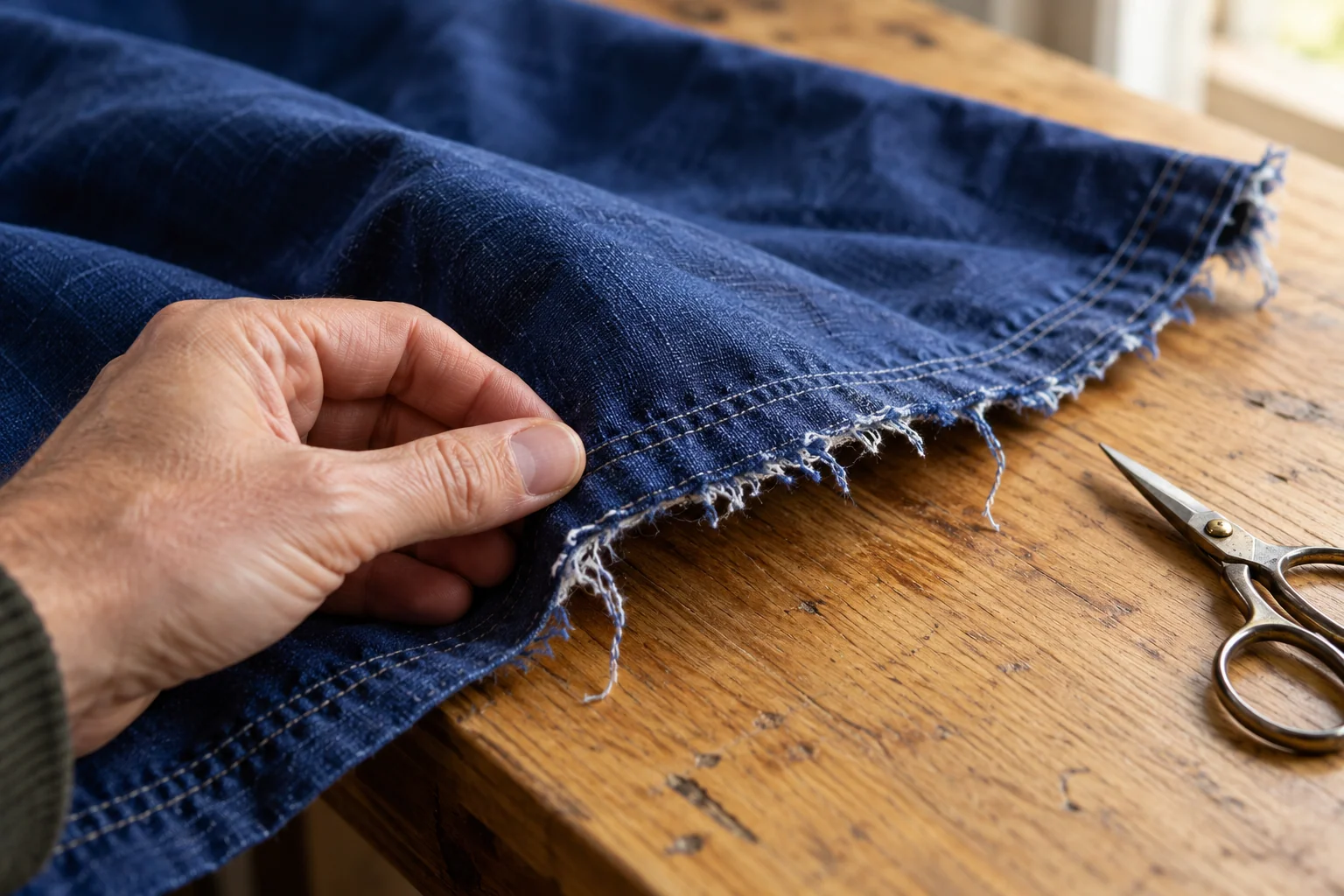
Look for the pattern of wear
A ragged fly edge suggests a different problem from a tear beside an eyelet or a straight scrape across the middle. Photograph both faces before removing loose threads. Check whether the cloth reaches a wall, tree, bracket or another flag during movement. A rough contact point can keep damaging new fabric even after you improve the stitching or change the print.
Check the complete display
Inspect clips, sleeves and attachment points at ground level when the flag is safely lowered. Ask the pole maintainer to check inaccessible fittings. A small sharp edge, an undersized clip or a trapped corner can focus tension in one place. Do not solve attachment problems by improvising more holes in the cloth; discuss a suitable reinforced heading and compatible fixing instead.
Use the actual care instructions
Wind, sun and repeated use affect fabric over time; no ordinary printed flag is permanent. Follow the supplied care and operating guidance for your particular fabric and pole. Harrison recommends avoiding rough contact, inspecting wear and drying a wet flag before storage. Treat its advice as general flag care, rather than a guarantee of lifespan for a different supplied product.
Decide whether repair is sensible
A small area of edge damage may be suitable for trimming and re-hemming after assessment. Check how much of the logo or border would be lost and whether the remaining cloth is still sound. Extensive damage, weakened fabric or fading may make replacement more practical. Keep a photograph and dimensions of a good flag so a replacement does not repeat an unsuitable specification.
Build a replacement record
Keep the approved artwork, finished size, attachment type, installation location and date of first use together. If several branches have different exposure, record them separately. When requesting another flag from Orient Uniforms FZE, include the relevant SKU and damage photographs. That helps the conversation cover finishing and the display environment as well as the visible design and order quantity.
Questions & answers
Can extra stitching stop every flag from fraying?
No. Reinforcement can be discussed for a particular design, but it does not remove weather exposure, abrasion or an incompatible attachment. Check the cause before specifying a heavier hem.
Should a damaged flag stay in use?
Lower it safely for assessment when damage appears. If the flag is snagging, detaching or affecting the display hardware, take the display out of use and arrange a suitable inspection.